
Details
| University Location | Sydney, New South Wales |
|---|---|
| City Population | 5.5 million |
| Student Population | 73,000 |
| Int'l Student Population | 10,600 |
| Main Campus | Camperdown / Darlington |
| Program Campus | Camperdown & Camden |
| Program Duration | 4 years |
| Estimated Annual Tuition | AUD$80,500 (2026 fees; subject to increase) |
| Semester Intake | February |
| Next Available Intake | 2027 |
| Application Deadline | September 11, 2026* |
| International Places | approx 35 (140 total) |
Overview
The Sydney School of Veterinary Science offers the AVMA-accredited Doctor of Veterinary Medicine, and its faculty is recognized internationally as a leading provider of education and a key contributor to the world’s best practice in the care and welfare of animals.
Your studies will take place in the One Health framework, ensuring you understand the linkages between veterinary health, human medicine, and the environment at local, national and global levels. The program culminates in a capstone experience year where you will get hands-on experience as an intern in veterinary clinics of all varieties and in a wide range of locations, including rotations in the university teaching hospitals at Sydney and Camden.
Veterinary Teaching Hospitals
Sydney has three vet teaching hospitals: the Sydney Teaching Hospital, the Camden Teaching Hospital, and the Avian, Reptile & Exotic Pet Hospital. Veterinary teaching hospitals provide world-class clinical services and have the latest technology for the care of companion animals, wildlife, livestock and horses, while the faculty’s teachers and teaching programs have achieved acclaim for their quality and effectiveness.
Program
This four-year graduate entry course is open to applicants with a completed bachelor’s degree who want to study to become registered veterinary practitioners. Teaching is research-driven to ensure you will learn from the latest developments and advances in evidence-based practice, veterinary science research, animal behaviour and welfare science and veterinary public health. You will benefit from clinical exposure, clinical skills training and animal handling commencing in the first semester and continuing throughout the course.
Clinical case examples are used throughout the program to demonstrate the relevance of each topic in understanding the complexities of animal diseases including their diagnosis, treatment and prevention.
During the first 3 years, you’ll participate in a mixture of small group, case-based tutorials, laboratory and practical classes. Clinical skills and animal handling training commence during the first semester of the DVM curriculum and continue throughout the first three years.
To consolidate this training, and acquire an appreciation of the working of animal enterprises, students also undertake animal husbandry (farm) placements during university vacations. Clinical contact commences during first semester of the DVM and continues throughout the course, culminating in the final-year capstone experience.
During Year 4, you’ll complete a series of rotations as veterinary student interns in Sydney’s veterinary teaching hospitals and with the university’s partners in veterinary education off-campus.
Campuses & Practical Placements
During Years 1 and 2 of the Doctor of Veterinary Medicine, students must travel to the university farms in Camden on a weekly basis. Camden is about 60 km southwest of Sydney and the location of all large-animal teaching facilities. Public transport to this site from the nearest railway station is infrequent and students requiring transport are encouraged to join a carpool on a shared cost basis.
During Year 3, all teaching and practical classes will be based in Camden, and students are advised to either keep the same travelling arrangements as in previous years or to make on-campus living arrangements.
During Year 4, you’ll experience 42 weeks of intramural placements at both the University of Sydney Veterinary Hospital based in Camperdown as well as the University of Sydney Veterinary Hospital based at Camden. You’ll also have extramural placements at a partner site.
- 22 weeks at university teaching hospitals
- 20 weeks at approved external partner practices and non-clinical placements (e.g., government/industry)
Admission Requirements
1. Completed bachelor’s degree
You must have a completed undergraduate degree in any discipline with a minimum cGPA of 2.7/4.0 and have completed prerequisite units of study (one semester each) in general chemistry (physical and inorganic), biology, and biochemistry.
As places are limited and there is a strict quota for this program, entry is highly competitive. Students who have achieved the minimum GPA (and other admission requirements) are then ranked on academic performance. The higher your GPA, the better your chances of receiving an offer.
2. Animal-handling experience
You must have completed a minimum of 30 days of relevant work and animal-handling experience, including animal production industries such as sheep, cattle, pigs, goats, horses and poultry; veterinary clinical practice; or other relevant animal industry experience including government bodies, charities, and research organization.
3. Casper – Situational judgement test
Sydney DVM applicants must complete an online situational judgement test (SJT) via Casper. The University of Sydney recognizes that skills and attributes such as resilience, critical thinking, and communication are essential for veterinarians, but are not always reflected in academic performance alone. The situational judgement test will be used to select and identify applicants who are best suited to the rigours of veterinary science and the profession. OzTREKK must submit your application to Sydney before you can write the test, as Casper registration requires a University of Sydney student IPU number.
4. Kira Talent – Situational judgment test
Sydney DVM applicants must complete an online situational judgement test (SJT) via Kira Talent. The Kira Talent online situational judgment test will only be available August 18 – 31, 2025.
Admission Timeline
*You’re encouraged to apply as early as possible as this program can fill quickly.
Student Advisor Amanda Rollich
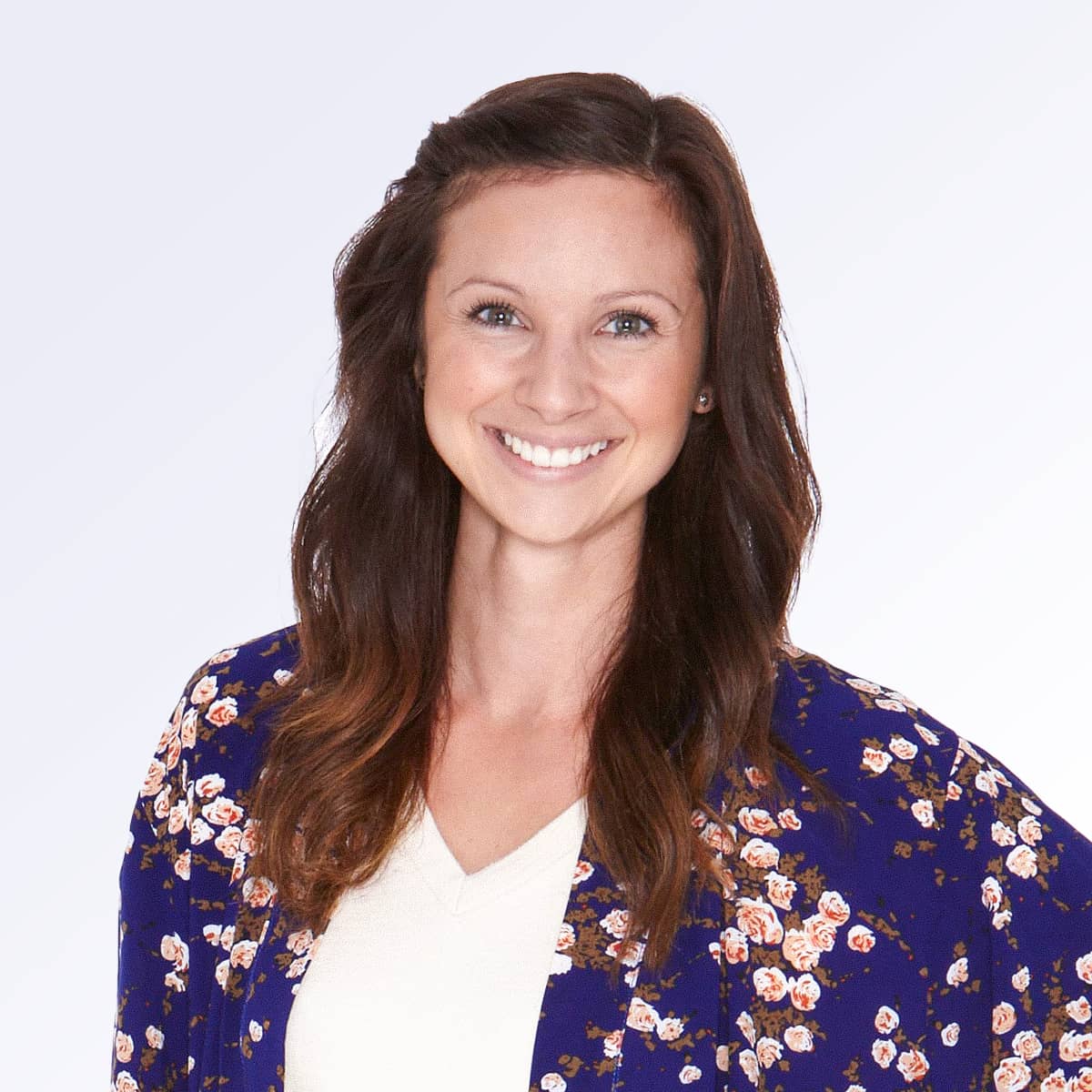
Free-spirited, thoughtful, and outgoing introvert. Lover of exploring new places near and far, nature, live music, and appreciating life’s glimmers. Enjoys learning about the human mind and body! Australia has a special place in her heart as she lived there for more than 4 years. She always aims to go above and beyond for OzTREKK students. INFP.
As a senior member of the Student Success team, Amanda works one on one with students to help them navigate their program options in law, veterinary science, pharmacy, public health, STEM, and so much more. If you’re not sure where to start, reach out to Amanda to discuss your study options in Australia!
Quote: Plant kindness, gather love
Australia bucket list: Same as Jaime! Diving with the whale sharks in WA
Hike: Valley of the Winds at Kata Tjuta in the Oz outback
Animal: Arlo, of course!
Superpower: Intuition
Email: study@oztrekk.com
Ask A Question
Ask us about your program of interest, or if you have a question about our services.
CONTACT US TODAY